Personal loans
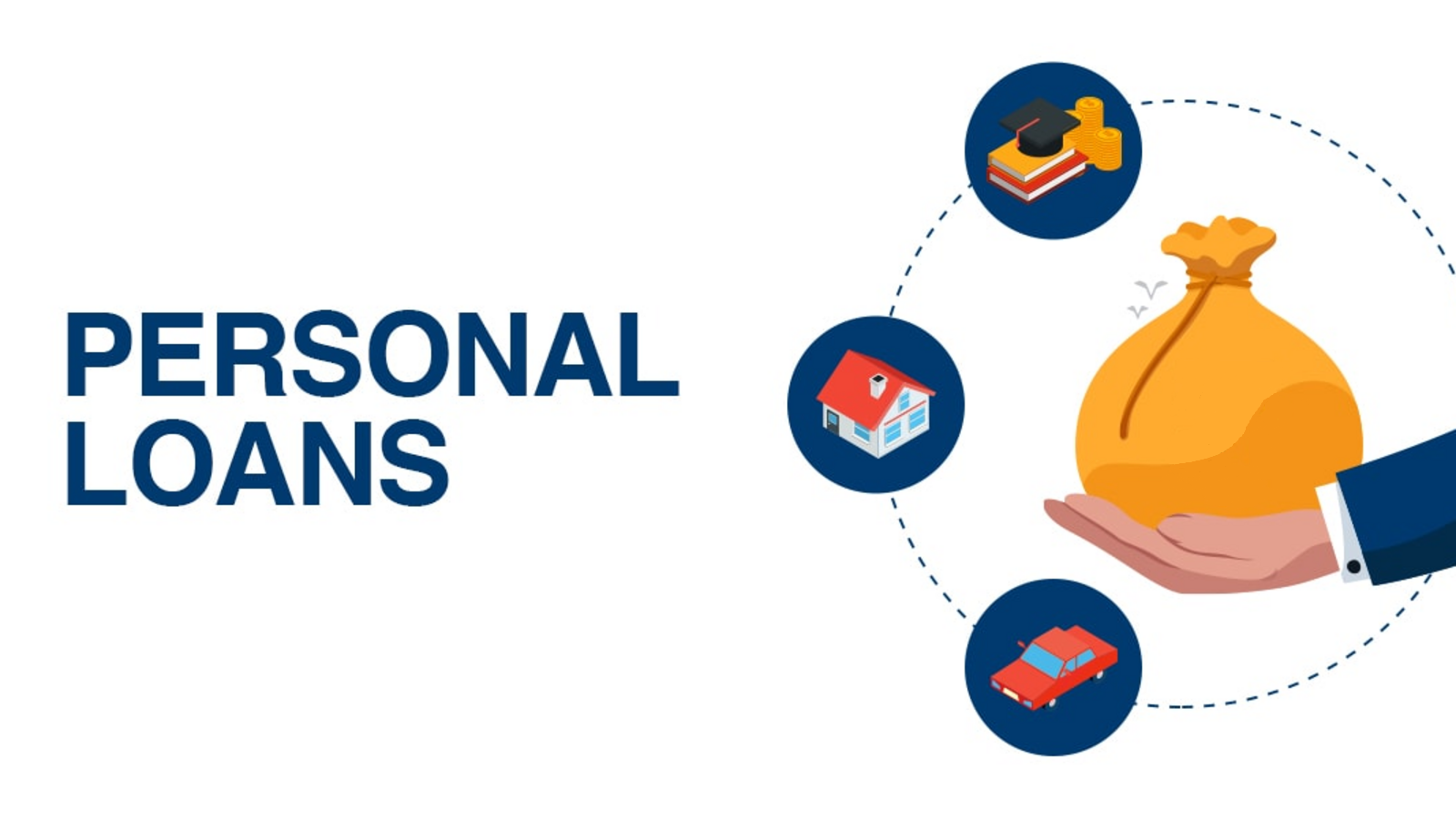

Need quick access to funds without the hassle of a lengthy approval process? A personal loan might be your solution. Personal loans offer a flexible borrowing solution for individuals seeking financial assistance for various purposes, whether it's consolidating debt, tackling emergency expenses, or financing a significant purchase. Many lenders offer competitive interest rates and flexible repayment terms. It's critical to understand how personal loans work to make informed decisions that align with your financial goals.
Personal loans can range from as little as $1,000 to as much as $50,000, sometimes more, depending on the lender and your creditworthiness. The appeal lies in their unsecured nature, meaning you don’t need collateral like a car or home. Instead, your credit history plays a vital role in determining eligibility and interest rates. Regular payments can even help improve your credit score if managed responsibly. Learn about potential fees, early repayment penalties, and annual percentage rates (APRs) before committing.
Explore options from traditional banks, online lenders, and credit unions to compare offers and find the best fit for your financial situation. Applications typically involve submitting financial information, such as income and credit history. Some lenders offer pre-qualification processes that allow you to check potential rates without impacting your credit score. Use this information to weigh the benefits and costs effectively, ensuring you select a loan that complements your financial capacity and objectives.
How Personal Loans Work and Their Main Characteristics
Choose a personal loan when you need unsecured funds to address various financial needs without collateral. Personal loans offer fixed interest rates and monthly payments, which facilitates budget planning and predictability.
The Mechanics of Personal Loans
Firstly, assess how much you need to borrow and choose a lender offering competitive interest rates. Once approved, receive funds as a lump sum, and begin repaying through fixed monthly installments over the agreed term, typically ranging from 12 to 84 months. This structure allows you to spread the cost evenly over time.
Key Features of Personal Loans
The primary characteristic is that most personal loans are unsecured, meaning no need for collateral like a car or house. Interest rates are generally lower than credit cards due to their fixed terms, making them appealing for debt consolidation. Flexibility is a significant advantage; use the loan for diverse purposes such as home improvement, medical expenses, or even funding a small business endeavor.
A substantial credit score can yield better interest rates. Hence, consider checking your credit report for discrepancies before applying. Additionally, pay attention to fees like origination or prepayment penalties, which can affect the loan's total cost.
Utilizing personal loans effectively can support financial stability and help achieve specific goals. Always compare different lenders, considering not only the interest rates but also the terms and additional fees, ensuring the choice best fits individual financial circumstances.
Key Differences Between Secured and Unsecured Personal Loans
Choose a secured personal loan when you can offer collateral, such as a car or home, and you want to enjoy lower interest rates or need a larger loan amount. This type of loan often provides better terms, like extended repayment periods, due to the reduced risk for lenders. Be mindful, though, that failing to repay can lead to the loss of your collateral.
On the other hand, unsecured personal loans don’t require collateral, making them a suitable option if you lack assets to pledge or prefer to avoid the risk of losing your property. These loans typically come with higher interest rates and might have more stringent approval criteria, as they pose a higher risk for lenders. Lenders often assess your creditworthiness through factors like credit score and employment history to make decisions.
Pros and Cons
Loan Type Advantages Disadvantages Secured Lower interest rates, higher borrowing limits Risk of losing collateral upon default Unsecured No collateral needed, quicker application process Higher interest rates, stricter approval criteria Choosing the Right Option
Decide between secured and unsecured loans based on your personal circumstances. Evaluate your ability to repay, consider your comfort with potential risks, and assess the urgency of your financial needs. Each option has its unique benefits and drawbacks, so align your choice with your financial goals and current situation.
Application Process: What Lenders Look for in Borrowers
Enhance your chances of loan approval by focusing on three critical factors: credit score, income stability, and debt-to-income ratio. Lenders prioritize a strong credit score, generally looking for scores above 650. Check your credit report for errors and work on improving any weak areas. Timely bill payments and reducing outstanding debts can gradually boost your score.
Income Stability
Regular and sufficient income assures lenders of your repayment capability. Provide clear documentation such as recent pay stubs, tax returns, or bank statements to demonstrate consistent earnings. A stable employment history further strengthens your application, showing reliability over time.
Debt-to-Income Ratio
Maintain a healthy balance between your income and existing debts. Lenders typically prefer a debt-to-income ratio of 36% or lower. Calculate your current ratio and consider paying down some debts to create more room for additional borrowing. Highlight financial assets and any co-signers to further bolster your profile.
Lastly, lenders appreciate transparency. Clearly outline your financial situation, being upfront about any potential risks and how you plan to manage them. An honest and thorough application can earn lender trust, resulting in a smoother approval process.
Calculating the True Cost: Interest Rates, Fees, and APR
To truly understand the cost of a personal loan, immediately focus on three fundamental components: interest rates, fees, and the Annual Percentage Rate (APR). Begin by scrutinizing the interest rate offered by lenders. This is essentially the cost of borrowing expressed as a percentage of the principal loan amount. A lower interest rate generally translates to lower monthly payments and overall payment during the loan term.
Understanding Fees Involved
Many borrowers overlook fees, yet they can substantially increase the loan's total cost. Common fees include origination fees, late payment fees, and prepayment penalties. Origination fees are typically a percentage of the loan amount and are taken upfront or included in the loan balance. Late payment fees occur if you miss a payment, while prepayment penalties might apply if you pay off your loan early.
Decoding APR
APR provides a more accurate picture of loan costs as it includes both the interest rate and associated fees. Compare APRs among different lenders to gauge the true cost of borrowing. Unlike the nominal interest rate, the APR offers a comprehensive cost assessment, helping you make an informed decision. Always prioritize loans with lower APR where other terms are comparable, as this indicates a cost-effective borrowing option.
Common Mistakes to Avoid When Taking a Personal Loan
Start by thoroughly reviewing the terms and conditions before signing any agreement. Carelessly overlooking fine print can lead to unexpected charges and obligations that complicate your financial situation. Scrutinize interest rates, penalties for early repayment, and hidden fees.
Avoid borrowing more than you need. It can be tempting to take a larger loan with the thought of extra cash as a cushion, but this can result in paying more interest over time and may hinder your ability to repay the loan.
Don't underestimate the importance of researching and comparing different lenders. Each lender offers unique terms and conditions, and failing to compare can result in missing out on better rates or more flexible terms. Utilize online comparison tools to streamline this process.
Resist the urge to use a personal loan for discretionary spending. Funding vacations or luxury purchases can lead to unnecessary debt. Prioritize using loans for consolidating high-interest debt or essential expenses with a clear repayment strategy.
Avoid keeping your income and expenses separate from your loan repayments. Failing to integrate your loan obligations into your budget could result in financial strain. Calculate your monthly repayment capacity accurately to prevent missed payments, which can negatively impact your credit score.
Finally, double-check your credit report and ensure it's accurate before applying for a loan. Errors or outdated information can affect your credit score and subsequently impact the loan terms you're offered. Consider disputing any errors to maintain a healthy financial profile.
Smart Strategies for Managing and Repaying Personal Loans
Create a realistic budget that prioritizes your loan repayment. Start with tracking all monthly expenses and identify areas where you can reduce spending. Allocate these savings to your loan repayments to accelerate the process.
- Set up automatic payments to ensure you never miss a due date, avoiding late fees and maintaining a positive credit score.
- Make bi-weekly payments instead of monthly ones. This approach effectively adds an extra payment each year, reducing interest and shortening the term.
- Channel any additional income, such as bonuses or tax refunds, directly towards your loan principal. This can significantly decrease the total interest paid over the life of the loan.
Consider refinancing if you find lower interest rates. Before doing so, compare the costs and benefits with your current loan terms to confirm potential savings.
If facing financial difficulties, communicate proactively with your lender. They may offer hardship programs or temporary payment reductions, helping you avoid defaults and preserving your credit health.
Regularly review your loan statements to monitor progress and identify any discrepancies. Staying well-informed keeps you in control and aware of financial responsibilities.